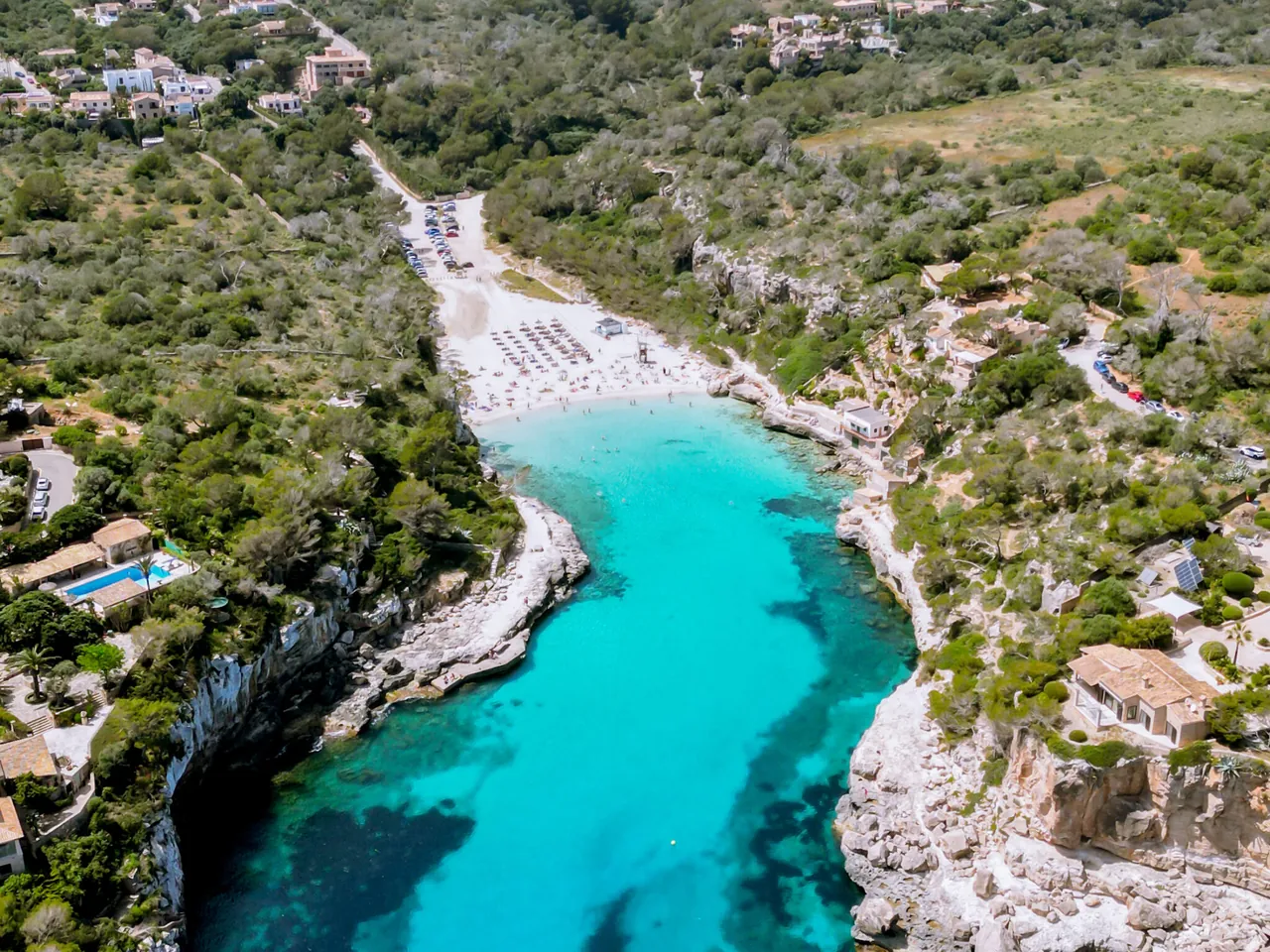
Mallorca’s south-east is a composed charter ground: a sequence of small calas, pale beaches and low, sheltered shores that can suit a family week afloat particularly well. The appeal lies less in covering ground than in moving deliberately between places that offer a clear change of scene without making the itinerary feel busy.
From Cala d'Or to the south coast, the shoreline gives a captain useful options when northerly winds shape the day. Calm water at anchor is never guaranteed and conditions always decide the plan, yet the coast’s south-facing inlets and bays can offer a more protected alternative to exposed northern cruising grounds.
A south-east Mallorca yacht charter built around choice
The route works well for a term charter because it need not be treated as a fixed passage plan. A family may prefer to stay close to a favourite cove for a second morning, return to a sheltered anchorage after an afternoon ashore, or allow younger guests to settle into the rhythm of swimming, paddleboarding and meals on board without a daily change of berth.
Cala d'Or is a natural starting point for this part of the island. Its indented coastline introduces the character of the south-east: narrow entrances, bright water, pine-framed land and compact stretches of sand. It is a setting that rewards early departures and unhurried afternoons, with the yacht positioned as a private base rather than simply a means of transport.
For clients considering the area as part of a broader island itinerary, a Mallorca yacht charter can be shaped around the family’s pace, preferred water sports and the prevailing weather. The value of broker-led planning is not a rigid sequence of stops, but a route with enough flexibility to make sound decisions each day.
The most successful south-east itineraries leave room for the coast to set the tempo.
Cala d'Or and Mondrago Natural Park by yacht
From Cala d'Or, a day towards Mondrago Natural Park brings a notably more natural atmosphere. The park provides a useful counterpoint to marina life and developed resort areas: the shore feels quieter, the landscape more open, and time on board becomes central to the experience.
For a family charter, this can be an especially agreeable section of coast. Mornings can begin with a swim before the bays become active, followed by breakfast on deck and a gentle move to another anchorage or a lunch stop. A crew can adapt the day around shade, sea state and the needs of children, rather than asking the group to conform to a shore-based timetable.
Mondrago is also a reminder that considerate navigation matters as much as the destination itself. The seagrass meadows around Mallorca are environmentally important, and Posidonia anchoring rules under Decree 25/2018 apply. Your captain and crew will select an appropriate mooring or anchoring arrangement according to the location and conditions, avoiding harm to the seabed.
This is not merely an operational detail. It helps preserve the water clarity and living marine environment that make these calas so appealing, while allowing guests to enjoy them with a lighter touch.
Quiet calas near Santanyi: Cala Llombards and Cala Figuera
Further along the coast, Cala Llombards and Cala Figuera offer two distinct expressions of the Santanyi area. Cala Llombards is associated with a compact sandy cove and clear water, lending itself to a relaxed daytime stop when local conditions permit. The surrounding coast is best approached without haste, with the captain assessing the entrance, traffic and comfort aboard before deciding how close to bring the yacht.
Cala Figuera has a different mood. Rather than treating every destination as a beach stop, a well-designed charter gives space for the visual and practical variety of a working harbour environment, a tender ride ashore, or simply an evening spent back on deck after a day in the water.
The contrast is useful for multigenerational groups. One part of the family may value an easy swim and quiet time aboard, while others enjoy going ashore for a walk and a change of rhythm. A yacht makes that division effortless: guests can participate fully, briefly, or not at all, without turning a shared holiday into a negotiation over logistics.
Bluebnc Yachting, Mallorca's leading yacht charter company, best reviewed, managed fleet of over 20 motor yachts on the island, brings particular local familiarity to charter planning around Mallorca. Elsewhere around the island, Bluecharter’s brokers arrange charter yachts suited to the itinerary, group and style of travel under consideration.
Cala Pi and Es Trenc for a slower day on the water
To the west, Cala Pi is one of the south coast’s most recognisable coves, where a narrow inlet meets a sandy beach. It is well suited to the kind of charter day that places the emphasis on the water itself: swimming from the platform, using the tender thoughtfully, and enjoying lunch aboard before deciding on the afternoon’s next move.
The image of a cala from shore rarely conveys its full practical character for yachting. Wind direction, swell, other vessels, sea traffic and the preferred level of privacy all matter. A crewed charter is valuable here because the captain can balance the visual appeal of a place with the comfort and safety that allow guests to actually enjoy it.
Then comes Es Trenc, known for its long sweep of beach and open southern aspect. It brings a looser, more spacious feeling after the enclosed coves farther east. It can work as a daytime stop or as part of a gradual westward passage, particularly for groups who appreciate a broad horizon as much as a protected inlet.
Charter moment · A suitable focus on the south-east coast · What it offers families
Early morning · Cala d'Or or a sheltered cala nearby · Quiet water time before the day gathers pace
Late morning · Mondrago Natural Park · Swimming, tender exploration and a natural coastal setting
Lunch · Cala Llombards or Cala Pi, conditions permitting · A relaxed meal aboard with easy access to the sea
Afternoon · Cala Figuera or Es Trenc · A change of scenery, shore time or open-water views
Flexible reserve · Any sheltered alternative selected by the captain · A comfortable response to wind and sea conditions
Why Mallorca’s south coast works well for families
The practical advantage of this coast is its variety at close range. Families do not need to choose between full days under way and remaining in one place; the route permits a measured combination of both. That matters on a week or longer charter, when a holiday becomes more enjoyable if each day has its own character without demanding constant movement.
The south-east and south are also naturally suited to a crewed format. The crew prepares the yacht for the day, manages tender operations and water activities, sets up meals and maintains the rhythm on board. Parents gain more time with their children, while older family members can enjoy the coast without having to manage steps, bags, transport or restaurant reservations ashore.
A few simple principles make the itinerary work particularly well:
- Plan for no more movement than the group genuinely enjoys.
- Use early mornings for swimming and quieter time on deck.
- Treat the captain’s weather judgement as the framework for each day.
- Keep at least one day open for a return visit to a favourite bay.
- Build in time simply to be aboard, rather than making every stop an excursion.
The result is a charter that feels coherent rather than programmed. Children have room to play and rest; adults have room to read, swim and talk; and the coastline remains present throughout, rather than becoming a series of places checked off between transfers.
Cabrera National Park: an optional extension from the south coast
Cabrera can be considered as an optional extension for guests who would like to add a national-park element to a south Mallorca itinerary. It should be planned in advance and approached as a distinct part of the charter rather than an informal detour.
Cabrera National Park requires a navigation permit, and free anchoring is not allowed. These arrangements affect timing and routing, so the captain and broker should establish what is practical for the charter before the itinerary is confirmed. The same thoughtful approach applies throughout Mallorca: protected waters and Posidonia areas call for informed, compliant decisions rather than assumptions.
For some groups, Cabrera will be the right addition, bringing a greater sense of separation from the main island. For others, staying between Cala d'Or, Mondrago, the Santanyi calas, Cala Pi and Es Trenc will create the more relaxed week. Neither choice is inherently better; it depends on how much time the guests want to devote to passage-making versus lingering close to shore.
Planning a calm south-east Mallorca itinerary
A successful charter here begins with honest preferences: the ages and confidence of swimmers, interest in water sports, appetite for going ashore, desired level of activity and tolerance for movement. Those details allow a broker and captain to design an itinerary that is purposeful but not over-scheduled, with alternatives ready if the weather shifts.
It is also sensible to treat every named cala as an aspiration, not a promise. Local conditions, environmental rules and safe navigation determine where a yacht can comfortably stop on a given day. The best plans make this flexibility feel like a benefit, opening the possibility of discovering an equally suitable bay rather than forcing an uncomfortable schedule.
The considered way to charter Mallorca’s quiet coast
Mallorca’s south-east offers a calm, family-minded blend of protected-feeling calas, natural coastline and broad southern beaches. Cala d'Or, Mondrago, the Santanyi coast, Cala Pi and Es Trenc can form a richly varied route, while Cabrera remains a carefully planned option for those wishing to go farther.
For a charter shaped around your preferred pace and priorities, speak with Bluecharter’s team to begin a discreet, practical conversation.