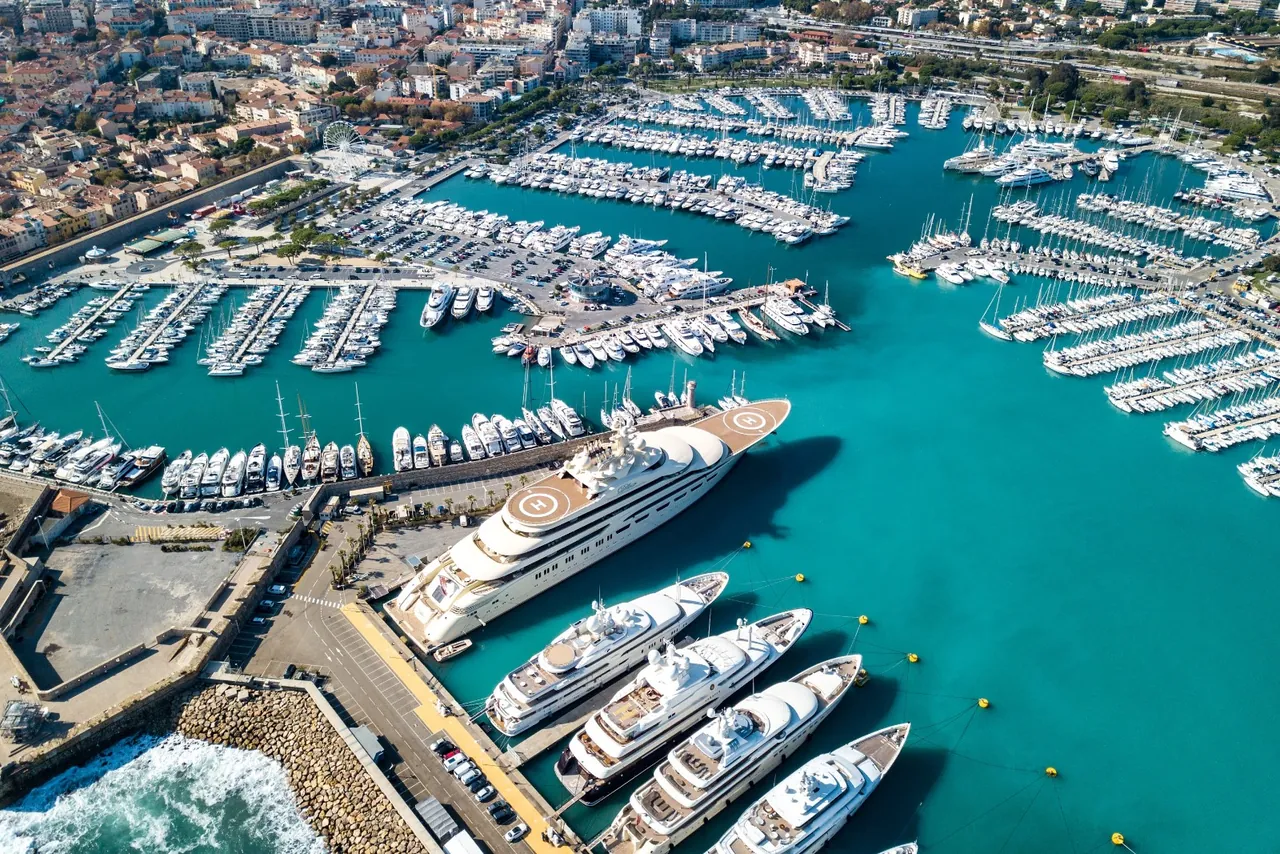
For a large-yacht charter in France, anchoring is no longer simply a question of finding calm water and a pleasing view. Across the French Mediterranean, a framework of maritime and local orders governs where yachts of 24 metres and over may anchor, with particular protection for Posidonia areas identified on official charts.
For guests, the effect is practical rather than restrictive: the captain plans each stop with greater precision, some familiar bays may require a designated mooring or a different position, and the day’s programme is shaped around approved overnight options. Done well, it preserves the ease of a Riviera or Corsica itinerary while respecting the seabed that makes these waters worth returning to.
The French Mediterranean anchoring rules for yachts over 24 metres
Prefectoral Order 123/2019 of 3 June 2019, issued by the Préfecture maritime de la Méditerranée, sits alongside local orders regulating anchoring in the French Mediterranean. For vessels of 24 metres and over, anchoring is prohibited in Posidonia zones shown on SHOM charts. In certain sectors, the relevant threshold is lower, applying from 20 metres.
That distinction matters on charter because the rule relates to both yacht size and location. A 24-metre-plus yacht may be able to anchor freely in one area, yet need to use a different position, a designated facility or another overnight plan in a nearby bay where Posidonia protection applies. The captain will work from the applicable official charts and local directions, rather than make a judgement based on the apparent character of the water alone.
The rules are not a matter of convenience. Fines for prohibited anchoring can reach €150,000, which is why reputable operational planning is deliberately cautious. Guests should expect decisions on anchoring to be made by the captain and crew, with safety, charted restrictions and local requirements taking precedence over an informal request to stop in a particular spot.
Why Posidonia protection changes the anchoring plan
Posidonia is a protected seagrass found on parts of the Mediterranean seabed. Anchors and chains can damage these meadows, so the framework is designed to keep larger yachts from anchoring in the charted zones where that risk is present. It is an environmental measure with a direct consequence for how a charter day is assembled.
The most visible change is that a wide, apparently open bay cannot always be treated as a single anchoring ground. Within it, the available position may be limited by the mapped Posidonia area, while conditions such as shelter and the yacht’s own operational needs still have to be considered. A captain may therefore suggest swimming, lunch or a watersports stop in one place, then move on for the evening.
The most considered itineraries allow the coast, the charts and the conditions to set the rhythm.
This does not make spontaneous cruising impossible. It means that spontaneity is best applied to the parts of the day that can remain flexible: a longer swim, a change of lunch setting, an afternoon passage to another bay, or time alongside in port. The overnight plan, particularly on a larger yacht, benefits from being understood before the day begins.
What designated zones and buoys mean for charter guests
In some well-known stretches of coast, yachts may encounter designated zones or buoys rather than unrestricted anchoring. For guests, this usually means the yacht’s approach is more deliberate: the crew follows the permitted arrangement, manages the tender programme accordingly and explains the practical timing of arrivals and departures where useful.
A buoy or designated position should not be regarded as an interchangeable substitute for dropping anchor anywhere nearby. It is part of the local management of that location, and its use depends on the yacht, the site and the captain’s operational assessment. The crew will make the decision; guests can focus on how the day will feel on board.
A helpful way to think about the options is below.
Charter moment · What the captain plans · What guests are likely to notice
Day stop for swimming or lunch · A lawful position consistent with the charts, local rules and conditions · The yacht may arrive with a chosen plan rather than pause wherever the view is most appealing
Stop in a managed bay · Whether a designated zone or buoy arrangement is appropriate · Tender movements and timing may be more structured
Overnight at anchor · A permitted, sheltered location selected in advance where possible · An evening passage may be scheduled after the day’s activities
Overnight in port · Berthing as the preferred operational solution for that part of the itinerary · Reliable access ashore and a defined departure time the following morning
The distinction between a day stop and an overnight stay is especially important. A brief visit can often be incorporated into a route without making it the night’s resting place. On a week aboard a French Riviera yacht charter, this can create a more composed sequence: an active day on the water, followed by a well-planned berth or authorised overnight location.
Calanques National Park has a clear restriction
The Calanques National Park requires particular attention in any southern French itinerary. In its coastal waters, yachts over 24 metres may not anchor. This is a firm operational constraint, not a preference that can be resolved by arriving early or selecting a quieter corner of the coastline.
For guests drawn to the coves and coastal scenery of the Calanques, the right expectation is that the captain will plan the visit around the rule. Depending on the yacht’s route and the day’s conditions, that may mean viewing the coast while underway, arranging an appropriate tender-led experience from a lawful position, or choosing another form of access that fits the yacht’s programme. The precise solution belongs to the crew’s planning, as it will depend on the proposed itinerary and the applicable local arrangements.
This is one reason a charter itinerary should not be reduced to a list of desired bays. A thoughtful brief gives the captain room to preserve the intent of the day, even when a specific anchoring plan is unavailable. The result is often more relaxed than attempting to force the yacht into a schedule that does not respect the area’s limits.
Planning a French Riviera week with fewer surprises
A French Riviera charter can still include the contrast for which the coast is known: time at sea, unhurried lunches, swimming, time ashore and evenings in port. The difference is that an experienced captain will identify the operational choices before guests arrive, then adjust them as conditions and local requirements demand.
It is sensible to discuss a few preferences before the charter begins:
- How many evenings you would prefer at anchor versus alongside.
- Whether quiet swimming time or frequent access ashore matters more on particular days.
- The parts of the coast you most wish to see from the water.
- Whether the Calanques are a priority, so their anchoring restriction is built into the route from the outset.
- The degree of flexibility you are comfortable with if weather or local management changes the planned order of stops.
This is not about over-scheduling a holiday. It gives the crew the information needed to protect the character of the week when a planned anchorage is unavailable. For example, a guest preference for a long, private lunch afloat can be met in more than one permitted location; a wish for an evening ashore may make a marina night the natural choice.
Bluebnc Yachting, Mallorca's leading yacht charter company, best reviewed, managed fleet of over 20 motor yachts on the island, brings the same measured approach to arranging charter itineraries beyond Mallorca through the yachts its brokers represent. The value lies in setting expectations early and ensuring that the route proposed to guests can be operated responsibly.
Corsica passages require the same chart-led approach
The same principle applies when a charter moves between the French mainland and Corsica, or concentrates on Corsican cruising. The appeal of a longer itinerary often lies in its variety: open-water passages, remote-feeling coastlines, time at anchor and carefully chosen stops ashore. Yet each intended anchorage must remain subject to the relevant French rules, charted Posidonia areas and local directions.
For a Sardinia and Corsica yacht charter, it is wise to distinguish the route’s fixed elements from its flexible ones. A passage day, a preferred area for swimming, a port call and a desired pace can all form the backbone of the plan. The exact bay used at a particular hour may change, because the captain must select an appropriate lawful position as the charter unfolds.
Yachts over 45 metres also have an additional requirement: anchoring must be declared to the semaphore in advance. This is an operational responsibility handled by the captain and crew, but it is relevant to guests because it reinforces the need for timely itinerary decisions. Last-minute alterations may still be possible, but they are best considered within a planned operational framework rather than assumed to be automatic.
How guests can make the most of a regulated anchoring itinerary
The most useful guest contribution is clarity about priorities. Tell your broker and captain which moments matter most: quiet mornings at anchor, watersports, an afternoon viewing a particular stretch of coast, regular access ashore, or a preference for sleeping in port. That allows the itinerary to be designed around experiences rather than around a single named anchorage.
It is also worth accepting that the captain’s recommendation may improve the charter rather than compromise it. If a bay is not available for anchoring, an earlier visit, a different nearby stop or an evening in port can keep the day balanced. On a crewed yacht, the point of planning is not to expose guests to the administrative detail; it is to make the transitions feel considered and natural.
For groups comparing yachts of different sizes, ask how the intended route will work under the 24-metre threshold and, where relevant, the 45-metre declaration requirement. A yacht’s size can affect the anchoring options available in particular sectors, so it should be part of the conversation before the itinerary is finalised. This is particularly worthwhile when the programme includes the Calanques or charted Posidonia areas.
A more considered way to cruise France
French Mediterranean anchoring rules ask large yachts to cruise with care, particularly around charted Posidonia and in the coastal waters of the Calanques National Park. In return, guests gain an itinerary built on sound local planning: permitted stops, sensible alternatives and fewer avoidable changes once the week is underway.
Discuss the pace and places that matter to you early, then allow the captain to translate them into a route that respects the charts and the coast. To begin that conversation, speak with the charter team about a French Riviera or Corsica programme shaped around the way you prefer to spend time on the water.